
Second Hand Electric Vehicles in India: Real Costs, Battery Life and What to Check Before Buying
India’s used EV market crossed 4,000 active listings in 2026. Two years ago that number was under 500. Something has shifted and it is not just supply. Buyers are actively searching for second hand electric vehicles in India because the price gap between new and used has reached a point where the math is impossible to ignore.
A Tata Nexon EV that cost Rs 15 lakh new in 2022 is now available for Rs 8 to 10 lakh. The battery warranty still has five years left. The running cost is a fraction of any petrol car in the same price range. But the questions that actually matter before buying one rarely get answered properly anywhere.
This guide follows the actual decision sequence. Who should buy a used EV, which model fits which budget, what the battery situation really looks like, how the buying process works step by step, and what the total ownership cost adds up to.
Who Should Buy Second Hand Electric Vehicles in India?
Not every buyer benefits equally from a used EV. The honest answer depends entirely on how and where you drive.
City Daily Commuter — Best Fit
If you drive 20 to 50 km daily in a city, charge at home overnight, and rarely need to travel more than 150 km in a single day, a second hand electric vehicle is one of the best financial decisions you can make right now. Your monthly fuel bill drops from Rs 5,000 to Rs 8,000 to Rs 800 to Rs 1,500 in electricity. Service costs are minimal. The car pays for itself faster than any used petrol option in the same price bracket.
Highway Frequent Traveler — Conditions Apply
If you regularly drive 200 to 400 km between cities, a used EV can still work but you need to be more careful with model selection. A used Nexon EV Max or MG ZS EV with a larger battery and good SOH reading is manageable for occasional highway trips. The charging infrastructure on major highways has improved significantly. But if your highway trips are frequent and time is critical, the charging stops add real time to your journey.
Rural or Semi-Urban Buyer — Honest Warning
If you live more than 30 km from the nearest authorized EV service centre, or if your area has frequent power cuts that make overnight charging unreliable, a used EV is a harder proposition. The service network gap is real outside metros and tier-1 cities. Tata has the widest reach but even Tata service for EVs is concentrated in urban areas. This is not a reason to never buy one but it is a reason to check service availability in your specific location before committing.
Which Used Electric Vehicle Should You Actually Buy?
Budget is the starting point. Here is what the market realistically offers at each price level and which models represent the best value.
Under Rs 8 Lakh — Entry Level Used EV
At this budget you are looking at older Tata Tigor EV models from 2021 to 2022, early Nexon EV variants with higher km on the odometer, and a few used electric scooters like the Ola S1 Pro from 2022. The Tigor EV is the most practical car choice here. It is a compact sedan, the battery is smaller which means replacement cost is lower, and Tata’s service network applies fully.
Key check at this budget: Battery SOH must be above 80 percent. At this price point you are buying older stock so the remaining warranty may be limited. Factor that into negotiations.
Rs 8 Lakh to Rs 15 Lakh — The Sweet Spot
This is where used EV buying makes the most financial sense right now. The Tata Nexon EV Prime and Nexon EV Max from 2021 to 2023 fall in this range. So do older MG ZS EV variants from 2020 to 2021. The Nexon EV in this bracket typically has 4 to 6 years of battery warranty remaining, good service availability, and enough range for comfortable city use.
The MG ZS EV offers more space and a premium feel but MG’s service network is thinner than Tata’s outside major cities. If you are in a metro, the ZS EV is a strong option. Outside metros, the Nexon EV is safer.
Above Rs 15 Lakh — Premium Used Options
The Hyundai Kona Electric appears in this range, now discontinued from new sales, making used examples the only way to own one. The newer MG ZS EV variants from 2022 to 2023 also sit here. The BYD Atto 3 is beginning to appear in the used market at this price point too.
The Hyundai Kona is a strong long-term reliability choice but parts availability and service costs outside Hyundai’s network are a concern. The BYD Atto 3 with its Blade LFP battery is arguably the best battery chemistry option at this price if you can find one with clean history.
Used EV Model Guide by Budget
| Budget | Best Model | Used Price Range | Key Watch Out |
| Under Rs 8L | Tata Tigor EV | Rs 5 to 8 lakh | SOH check mandatory |
| Rs 8 to 12L | Nexon EV Prime | Rs 8 to 12 lakh | Verify warranty transfer |
| Rs 12 to 15L | Nexon EV Max / MG ZS EV | Rs 12 to 15 lakh | MG service network check |
| Above Rs 15L | Hyundai Kona / BYD Atto 3 | Rs 15 to 22 lakh | Parts availability outside metro |
The Battery Deep Dive: What Nobody Explains Properly
The battery is 30 to 40 percent of an EV’s total value. Understanding it properly is not optional when buying a used one.
What Is SOH and Why It Matters
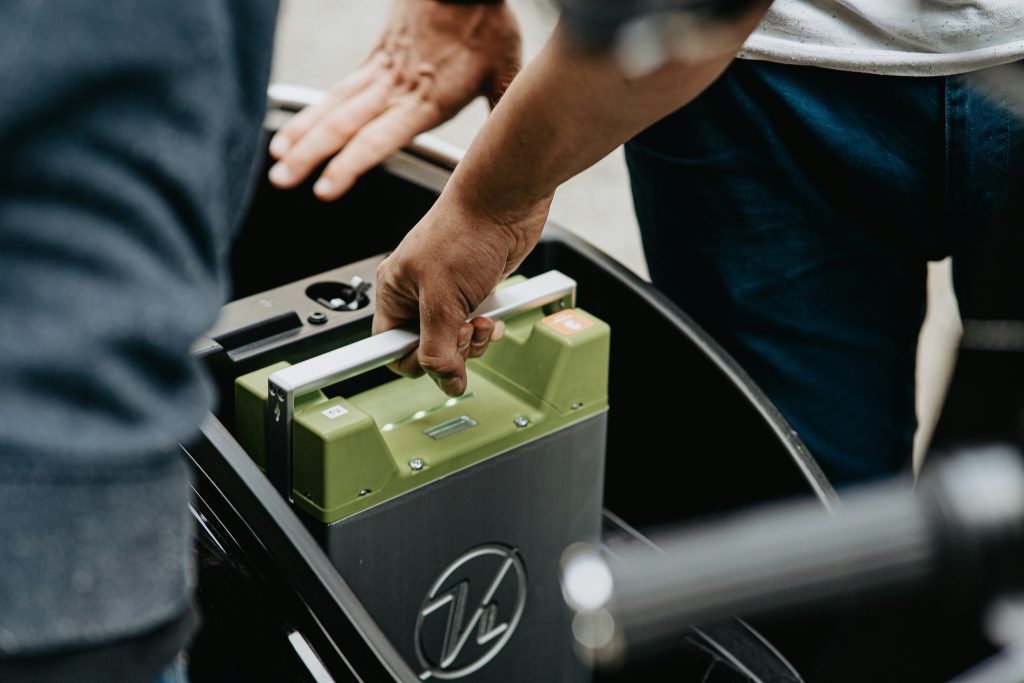
State of Health (SOH) is a percentage that tells you how much capacity the battery retains compared to when it was new. A car with 100 percent SOH delivers the same range as day one. A car at 85 percent SOH delivers roughly 85 percent of the original range. SOH above 85 percent in a 3 to 4 year old car is healthy. SOH below 75 percent in a car less than 5 years old is a negotiation point or a reason to walk away.
You can request a Battery Health Report at any authorized service centre. For Tata vehicles, the Tata Motors Connect app also shows SOH data to the registered owner. Always ask the seller to show this before you negotiate price.
Battery Degradation Reality After 5 Years
Real world data from Indian EV owners shows that a Tata Nexon EV driven 60,000 to 80,000 km over 3 to 4 years typically retains 88 to 92 percent SOH when charged to 80 percent regularly. The same car charged to 100 percent daily and parked in direct sunlight consistently may show 80 to 84 percent SOH in the same period. The difference is charging and parking habits, not a defect in the vehicle.
After 5 years and roughly 1 lakh km, a well maintained Nexon EV is expected to retain 80 to 85 percent SOH. That translates to around 250 to 265 km of real world range on a car that originally offered 312 km. For daily city use that is more than enough.
NMC vs LFP: Which Battery Chemistry Ages Better in India
This distinction matters more in India than in Europe or North America because of our heat conditions. NMC batteries found in the Nexon EV, MG ZS EV, and Mahindra XUV400 offer higher energy density and better range but are more sensitive to high temperatures and deep discharge cycles. Sustained exposure to 40 degree plus temperatures without thermal management accelerates degradation.
LFP batteries in the BYD Atto 3, Tata Tigor EV, and MG Comet handle Indian heat significantly better. LFP chemistry has a longer cycle life of 2,500 to 3,500 full cycles compared to 1,500 to 2,000 for NMC. For used EV buyers who plan to keep the car for 5 or more years, an LFP battery car is a lower long-term risk.
The Fast Charging Reality
The common worry that DC fast charging destroys EV batteries is overstated but not entirely wrong. Occasional fast charging is fine and is exactly what the car is designed to handle. Using a 50 kW or higher DC charger as your primary daily charging method over 2 to 3 years does accelerate degradation faster than home AC charging. When evaluating a used EV, ask how the previous owner primarily charged the vehicle. A car that was charged via home AC overnight is in better battery shape than one that visited a fast charger daily.
Battery Warranty Transfer Rules
Tata Motors transfers the full 8 year or 1,60,000 km battery warranty to the second private owner. If the battery SOH drops below 70 percent within the warranty period, Tata will repair or replace it at no cost. This is one of the strongest reasons the Nexon EV dominates the used EV market in India.
MG transfers warranty with a lower km cap of 1.5 lakh km for the ZS EV. Hyundai Kona warranty terms for second owners depend on the original registration date and remaining term. BYD Atto 3 warranty transfers with the vehicle. Always verify remaining warranty in writing from the manufacturer before signing.
Battery Replacement Cost If Warranty Has Expired
| Model | Battery Size | OEM Replacement Cost |
| Tata Tigor EV | 19.2 to 24 kWh | Rs 2 lakh to Rs 3.5 lakh |
| Tata Nexon EV (30.2 kWh) | 30.2 kWh | Rs 5.5 lakh to Rs 7 lakh |
| Tata Nexon EV Max (40.5 kWh) | 40.5 kWh | Rs 7.5 lakh to Rs 9 lakh |
| MG ZS EV (44.5 kWh) | 44.5 kWh | Rs 6 lakh to Rs 10 lakh |
| Hyundai Kona Electric | 39.2 kWh | Rs 8 lakh to Rs 12 lakh |
Hidden Costs That Most Buyers Do Not Calculate
The purchase price and fuel saving on second hand electric vehicles are easy to calculate. These costs are the ones that catch buyers off guard.
Home Charger Installation
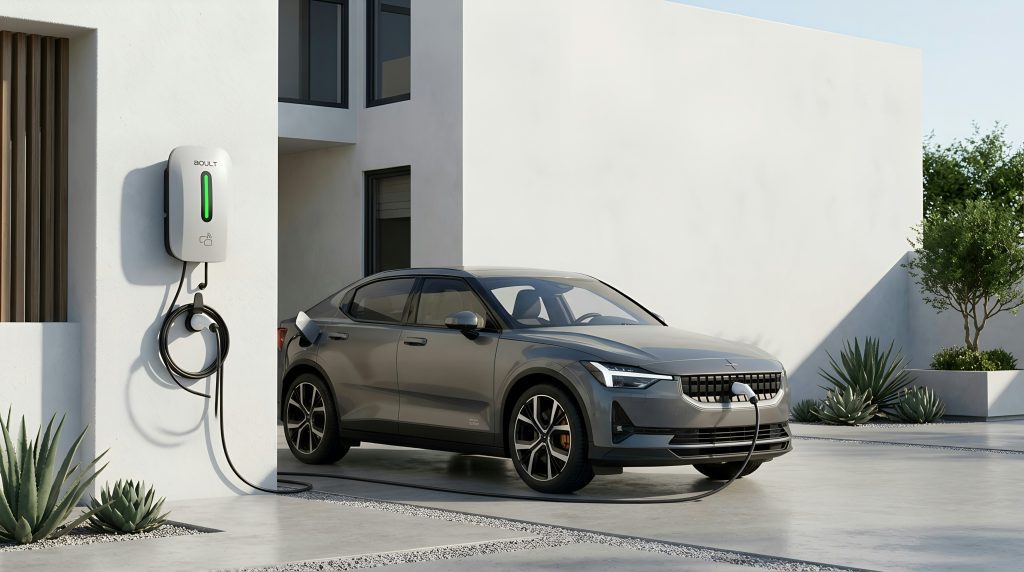
A basic 3.3 kW AC home charger costs Rs 8,000 to Rs 15,000 for the unit plus Rs 3,000 to Rs 8,000 for installation depending on your home’s electrical setup. If your switchboard needs upgrading or a dedicated circuit needs to be run, add another Rs 5,000 to Rs 15,000. Total home charging setup costs Rs 15,000 to Rs 35,000 for most apartments and independent houses.
Insurance
EV insurance in India is typically 10 to 15 percent cheaper than petrol vehicles. A used Tata Nexon EV valued at Rs 8 lakh will typically carry an annual insurance premium of Rs 20,000 to Rs 35,000. Zero depreciation cover and battery protection add-ons are now available from most major insurers for used EVs.
Tyres
EV tyres wear out faster than standard tyres because of the instant torque delivery. A Nexon EV tyre replacement set costs Rs 18,000 to Rs 30,000 depending on brand and variant. Budget for tyre replacement every 40,000 to 50,000 km rather than the 60,000 to 80,000 km you might expect from a petrol car.
Service Network Reality
Tata Motors has the strongest EV service network in India. MG has reasonable urban coverage. Hyundai Kona owners outside major metros may face challenges finding trained technicians and genuine parts. Check service availability in your specific city before finalizing any used EV purchase.
The Used EV Buying Process: Step by Step
Step 1: Shortlist by Budget and Model
Start with Cars24, CarWale, CarTrade, and CarDekho. Filter by EV fuel type, your city, and budget. Tata Nexon EV will have the most listings by volume. Note down 3 to 5 shortlisted cars with their year, km driven, number of owners, and listed price.
Step 2: Check SOH and Warranty Status
Before visiting the car physically, ask the seller to share the battery SOH from the Tata Connect app or equivalent. Also ask for the vehicle registration number and verify the remaining warranty directly on the manufacturer website or by calling the service centre. A seller who refuses to share SOH data is a seller to avoid.
Step 3: Physical Inspection
Visit the car and check for body damage, tyre condition, interior wear, and charging port condition. Then take it to the nearest authorized service centre for a comprehensive inspection. This costs Rs 1,000 to Rs 2,500 and gives you an independent assessment of battery health, motor condition, and any pending issues. This step is not optional on a vehicle with a battery worth lakhs.
Step 4: RTO and Document Verification
Check Form 20 (registration certificate), insurance validity, PUC certificate, and any hypothecation clearance if the car was on a loan. Run the registration number on the Parivahan portal to verify ownership history and whether the vehicle has any active challans or legal holds.
Step 5: Price Negotiation
Use the SOH reading, remaining warranty, km driven, and number of owners as negotiation points. A car at 82 percent SOH should cost less than one at 91 percent SOH even if the listed price is the same. A second owner car should be priced lower than a first owner car of the same age. A car with a service history gap gives you Rs 20,000 to Rs 40,000 of negotiation room.
Real Ownership Cost: Used EV vs Petrol Car
This is the calculation most buyers want to see before making a decision. The numbers below are based on a buyer covering 1,200 km per month in city conditions.
| Expense | Used EV (Nexon EV) | Petrol Car (Similar Size) |
| Monthly fuel or electricity | Rs 900 to Rs 1,500 | Rs 6,000 to Rs 8,000 |
| Annual service cost | Rs 4,000 to Rs 8,000 | Rs 8,000 to Rs 15,000 |
| Insurance (annual) | Rs 20,000 to Rs 35,000 | Rs 25,000 to Rs 40,000 |
| Tyre replacement (per set) | Rs 18,000 to Rs 30,000 | Rs 12,000 to Rs 22,000 |
| Total annual running cost | Rs 45,000 to Rs 70,000 | Rs 1,05,000 to Rs 1,50,000 |
The annual saving on running cost alone ranges from Rs 60,000 to Rs 80,000 for a typical city driver. On a used EV purchased at Rs 9 lakh versus a comparable petrol car at Rs 7 lakh, that price difference is recovered in fuel savings within 18 to 24 months.
First year cost includes home charger installation of Rs 15,000 to Rs 35,000 as a one-time setup expense. Factor this in before comparing sticker prices.
Frequently Asked Questions
Is it safe to buy a second hand electric vehicle in India?
Yes, provided you do proper due diligence. Check the SOH, verify warranty transfer, inspect the vehicle at an authorized service centre, and check all RTO documents. A used EV with good battery health and remaining warranty is a safe and financially sound purchase.Overall, second hand electric vehicles in India are a safe purchase when basic due diligence is followed.
How long do EV batteries last in India?
With reasonable care, EV batteries in India last 8 to 12 years before range loss becomes a practical problem. LFP batteries in BYD and some Tata models last longer in India’s heat conditions. Manufacturer warranty covers battery health for 8 years or 1.5 to 1.6 lakh km depending on the brand.
Does the battery warranty transfer to a second owner in India?
For Tata Motors vehicles, yes. The battery warranty transfers fully to the second private owner. MG has partial transfer terms. Hyundai and BYD transfer with conditions. Always verify remaining warranty directly with the manufacturer before purchasing.
Which is the best second hand electric vehicle to buy in India under Rs 10 lakh?
The Tata Nexon EV Prime from 2021 to 2022 is the best option in this range. It has a strong service network, transferable battery warranty, decent range for city use, and the highest number of listings making it easier to find a well-maintained example. The Tata Tigor EV is a strong alternative if budget is closer to Rs 6 to 7 lakh.
Are used EVs cheaper to maintain than petrol cars?
Yes in most cases. No engine oil, no timing belt, simpler braking due to regenerative braking, and fewer moving parts overall mean lower annual service costs. The only major risk is the battery. With a good SOH and remaining warranty, maintenance cost advantage clearly favors the used EV.
So, Is a Second Hand EV Actually Worth It?
For most city drivers, second hand electric vehicles in India represent one of the smartest purchases in the current used car market. The savings on fuel alone can recover the price difference between a used EV and a new petrol car within two to three years for someone doing regular city driving.
For a city driver who charges at home, covers 20 to 50 km daily, and buys a model with good battery health and remaining warranty, the answer is yes without much qualification. The running cost saving is real, the maintenance advantage is real, and the used EV market now has enough supply that finding a good example is not difficult.
The buyer who needs to be careful is one buying outside a metro without checking service availability, or buying a car with low SOH to save money upfront, or skipping the authorized inspection to save Rs 2,000. Those shortcuts create the problems that give used EVs a bad reputation they do not entirely deserve.
The process is simple. Check the battery. Verify the warranty. Inspect at a service centre. Negotiate on data not on gut feel. Done right, second hand electric vehicles in India are one of the best value purchases available in the used car market today.
Prices and warranty terms mentioned here are based on manufacturer data and market listings as of 2026 and may vary by city and vehicle condition.