
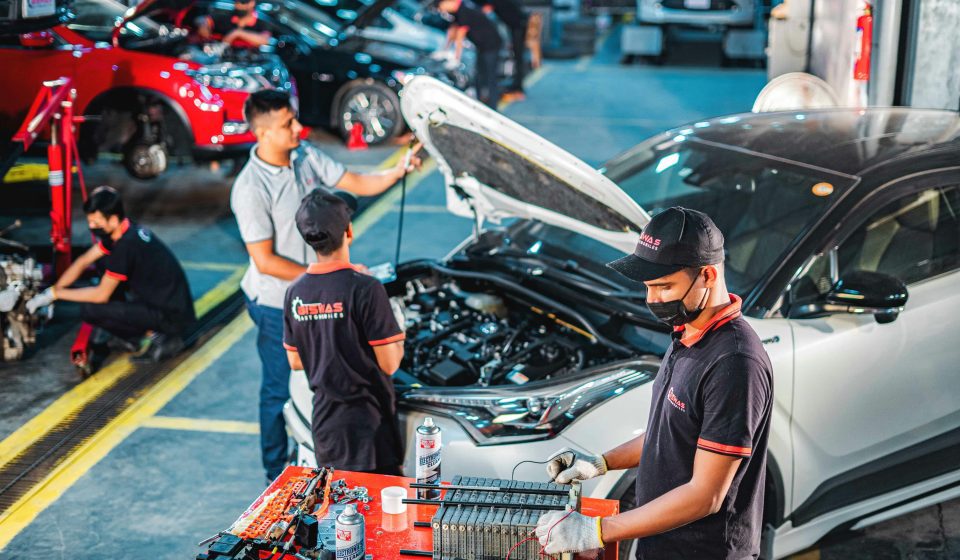
Car Inspection Service Guide 2026: What Gets Checked and What It Costs
When did you last actually get your car checked by a professional, not just serviced? Most car owners confuse a routine service with a proper inspection, but the two are not the same thing. A service involves replacing fluids and filters on a fixed schedule. An inspection involves a trained mechanic going through the car system by system, checking for problems that have not yet triggered a warning light on the dashboard. This distinction matters more than it might seem. A car can pass through several rounds of routine servicing without ever receiving a proper inspection, quietly developing issues that surface only when something fails on the road.
What Is a Car Inspection Service?
A car inspection service is a detailed examination of a vehicle to check its mechanical, electrical, safety, and overall performance condition.
Unlike regular servicing, which mainly focuses on replacing parts and fluids according to a schedule, inspection focuses on finding existing problems and possible future failures.
For example, during normal servicing, the mechanic may replace engine oil and filters. But during inspection, the mechanic checks whether the engine is producing unusual noise, whether there is any oil leakage, whether the vehicle has performance issues, and whether any hidden problem is developing.
A professional car inspection service helps identify hidden issues and gives a clear idea about the vehicle’s actual condition.
A complete inspection usually covers:
- Engine health
- Transmission condition
- Brake performance
- Suspension system
- Tyres and wheels
- Battery condition
- Electrical components
- AC performance
- Body condition
- Underbody damage
- Diagnostic scanning
A good inspection does not only tell you what is wrong with the car. It also helps estimate future maintenance requirements.
Why Car Inspection Is Important in 2026
The automobile industry has changed significantly in recent years. Cars today are not just mechanical machines. They are a combination of mechanical parts, sensors, software, and electronic systems.
Many problems do not appear immediately. A vehicle can run normally while slowly developing issues.
For example:
- A weak battery may start the car today but fail suddenly after a few weeks.
- A suspension component may not make noise initially but can affect tyre life and driving comfort.
- A small coolant leak can gradually lead to overheating problems.
- A repaired accident vehicle may look perfect but have hidden structural damage.
- This is why a vehicle inspection has become more important than before.
- For used car buyers, it acts like a safety check before making a financial commitment. For existing owners, it helps detect problems before they become expensive repairs.
Car Inspection Service vs Regular Car Service
Many people think both are the same, but there is a major difference.
A car service is preventive maintenance. It is performed after a fixed time period or distance.
A typical service includes:
- Engine oil replacement
- Oil filter change
- Air filter cleaning
- Fluid checking
- Basic brake inspection
- General vehicle check
- A car inspection is diagnostic.
It focuses on finding problems such as:
- Engine wear
- Hidden leaks
- Suspension damage
- Electrical faults
- Accident signs
- Future repair needs
A vehicle can have a recent service history and still require inspection because servicing does not always reveal deeper issues.
Car Inspection Service Process Explained
A professional car inspection service is not just a quick look at the vehicle from outside. It is a detailed process where different parts of the car are checked one by one to understand the actual condition of the vehicle. Many mechanical problems do not appear during a short test drive, which is why inspection involves both visual checking and technical testing.
A proper inspection usually starts with the exterior condition of the vehicle and slowly moves towards important mechanical and electrical components. The main purpose is to find existing problems, identify safety concerns, and estimate future repair requirements before they become expensive.
For example, a car may have a smooth engine sound but still have suspension damage, weak braking performance, or electrical faults that are not noticeable while driving. A detailed inspection helps reveal these hidden issues.
Exterior Inspection and Body Condition Check
The first stage of inspection focuses on the outside condition of the vehicle. The inspector checks the complete body of the car to find signs of damage, poor repairs, or accident history.
The inspection includes:
- Paint quality and colour difference between panels
- Door, bonnet, and boot alignment
- Visible dents or scratches
- Rust formation
- Body panel replacement signs
- Accident repair marks
Many used cars receive professional repairs after accidents, making it difficult for a normal buyer to identify previous damage. During a detailed inspection, technicians check panel gaps and paint thickness to understand whether the vehicle has been repainted.
Uneven gaps between doors or panels can indicate that the car has gone through body repairs. Similarly, different shades of paint on nearby panels may suggest repainting work.
This check is especially important for people buying second hand cars because hidden accident damage can affect safety and resale value.
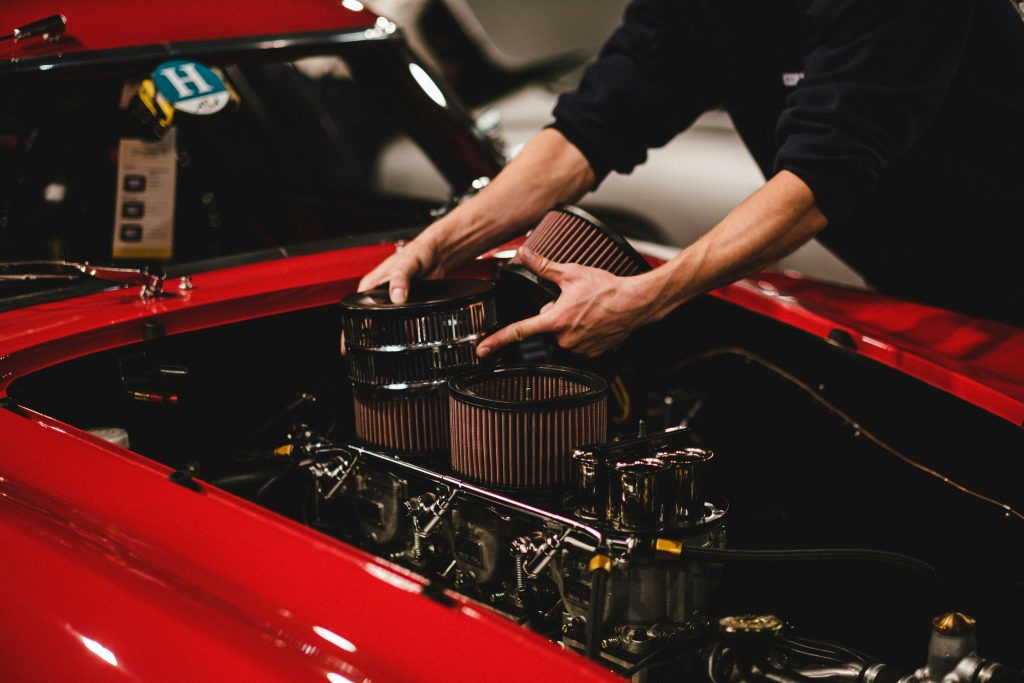
Engine Health Inspection
The engine inspection is one of the most important parts of the entire process because engine repairs are usually among the most expensive expenses a car owner can face. A vehicle may look perfect from outside, but the actual condition of the engine decides how reliable and economical the car will be in the long run.
During a professional car inspection service, the mechanic does not only start the engine and listen to the sound. A complete engine check involves examining different signs that show the overall health of the vehicle.
The first thing inspected is the engine starting behaviour. A healthy engine should start quickly without requiring multiple attempts. If the car takes longer than usual to start, it can indicate issues related to the battery, fuel delivery system, spark plugs in petrol engines, glow plugs in diesel engines, or other internal components.
After starting the engine, the inspector observes the idle performance. When the car is standing still, the engine should run smoothly without excessive vibration or fluctuation in RPM. If the engine shakes or the RPM keeps moving up and down, it may indicate problems with fuel injection, air intake, sensors, or engine mounts.
Another important part of engine inspection is checking for unusual sounds. Experienced technicians can identify many problems through sound. Clicking, knocking, or rattling noises may point towards internal wear, loose components, timing issues, or lubrication problems.
The mechanic also checks for engine oil leakage. Oil plays a major role in reducing friction between moving engine parts. If oil leaks continuously, the engine may lose lubrication, which increases wear and can eventually cause serious damage. Small leaks may look harmless initially, but ignoring them can turn a minor repair into a costly engine job.
The condition of the engine oil is also examined during inspection. Fresh engine oil usually has a cleaner appearance, while extremely dark, thick, or burnt smelling oil may indicate delayed maintenance. Old or poor quality oil can affect engine performance and reduce the life of important components.
The inspection also includes checking the cooling system because overheating is one of the biggest threats to an engine. The technician examines coolant level, radiator condition, hoses, and signs of leakage. A weak cooling system can lead to high engine temperature, which may damage internal parts such as the cylinder head or gasket.
Another area checked is the exhaust smoke and emissions behaviour. The colour of exhaust smoke can reveal possible engine problems.
Blue smoke can indicate oil burning inside the engine.
Black smoke may suggest excessive fuel consumption or combustion issues.
White smoke can sometimes indicate coolant entering the combustion chamber.
These signs help technicians understand whether the engine requires further diagnosis.
A proper engine inspection also includes checking the air intake system and filters. The engine needs a correct mixture of air and fuel to perform efficiently. A blocked air filter can reduce performance, increase fuel consumption, and put extra stress on the engine.
For modern cars, technicians also perform an OBD diagnostic scan. The vehicle’s computer stores information about different systems, including engine sensors and performance errors. Even if no warning light is currently visible on the dashboard, stored fault codes can reveal previous or developing issues.
A road test is another important part of engine evaluation. The inspector checks acceleration, power delivery, gear response, and overall driving behaviour. Sometimes a vehicle may appear normal while standing but show problems only during actual driving conditions.
For used car buyers, engine inspection becomes even more valuable. A seller may clean the engine bay to make it look fresh, but a detailed inspection focuses on actual performance rather than appearance. It helps identify whether the vehicle has been maintained properly or whether expensive repairs may be required soon.
A healthy engine does not only provide better performance. It also improves fuel efficiency, reduces unexpected breakdowns, and increases the resale value of the car.
This is why engine health inspection should always be a major part of any complete car inspection service before buying or maintaining a vehicle.
Transmission Inspection
The transmission system controls how power from the engine reaches the wheels. A problem in the gearbox can affect driving comfort, fuel efficiency, and overall vehicle performance.
During transmission inspection, the technician checks how smoothly the vehicle changes gears and whether the system responds correctly during acceleration.
For manual transmission vehicles, the inspection focuses on clutch performance, gear shifting quality, and unusual noises.
A worn clutch may show signs such as:
- Difficulty changing gears.
- Higher engine RPM without proper acceleration.
- Vehicle movement delay after releasing the clutch.
- Burning smell during driving.
For automatic transmission vehicles, inspectors check gear shifting behaviour. Modern automatic gearboxes rely on sensors and electronic systems, so even small issues can affect performance.
Signs of transmission problems include:
- Delayed gear changes
- Jerking while shifting
- Unusual vibration
- Transmission warning lights
- Fluid leakage
Transmission repairs are usually expensive compared to regular maintenance, so identifying problems early can save a vehicle owner from unexpected costs.
Brake System Inspection
The braking system is one of the most critical safety components of any vehicle. A car can have a powerful engine and advanced features, but without a properly working brake system, it is not safe to drive.
During inspection, technicians check brake pads, discs, brake fluid, and braking response.
Brake pads slowly wear down with regular use. If they become too thin, they reduce braking efficiency and may damage the brake disc.
The inspector also checks whether the vehicle remains stable while braking. If the car pulls towards one side, it may indicate uneven brake performance, tyre issues, or suspension problems.
Brake fluid condition is also examined because old fluid can absorb moisture over time and reduce braking performance.
A proper brake inspection ensures that the vehicle remains safe in emergency situations.
Tyre and Wheel Inspection
Tyres are one of the most ignored parts during a vehicle inspection, but they play a major role in safety, fuel efficiency, and driving comfort. A car may have a healthy engine and good mechanical condition, but poor tyres can reduce overall performance and increase accident risk.
During a professional inspection, technicians carefully examine the complete tyre condition instead of only checking whether the tyre has air pressure.
The first thing checked is the tyre tread depth. The tread pattern helps the tyre maintain grip on the road, especially during braking and rainy conditions. As tyres become older and more worn, the depth reduces, which decreases traction.
A tyre with low tread depth may take a longer distance to stop, especially on wet roads.
Inspectors also look for uneven tyre wear. Ideally, all tyres should wear evenly across the surface. If one side of the tyre is more damaged than the other, it may indicate problems with wheel alignment, suspension parts, or incorrect tyre pressure.
For example, if the outer edge of the tyre is wearing faster, the vehicle may have alignment issues. If the middle portion is wearing more, it may indicate overinflation.
The sidewall of the tyre is also checked for cracks, cuts, or bulges. A damaged sidewall is dangerous because it weakens the tyre structure and increases the chances of sudden failure while driving.
The manufacturing date of the tyre is another important factor. Many people replace tyres only after visible damage, but tyres also become weaker with age. Rubber loses flexibility over time, which affects grip and safety.
Wheel condition is also inspected during the process. Bent wheels, damaged rims, or balancing issues can cause vibrations while driving.
A proper tyre and wheel inspection helps owners avoid unexpected replacement costs and improves the overall driving experience.
Suspension and Steering Inspection
The suspension system is responsible for maintaining stability, comfort, and control while driving. It connects the vehicle body with the wheels and absorbs shocks caused by uneven roads.
Many suspension problems develop slowly, which is why they are difficult to notice in daily driving.
During inspection, technicians check components such as shock absorbers, control arms, bushes, ball joints, and steering parts.
Shock absorbers are one of the most important suspension components. Their job is to control the movement of the vehicle and keep the tyres connected with the road surface.
- Excessive bouncing
- Poor cornering control
- Uneven tyre wear
- Uncomfortable driving
A damaged suspension system not only affects comfort but also impacts braking stability and tyre life. A proper inspection helps maintain better control and safer driving.
Inspectors also check suspension noises. Sounds like knocking or clunking while crossing bumps may indicate worn suspension parts.
The steering system is checked to ensure that the vehicle responds correctly to driver input. Excessive steering play or unusual resistance can indicate issues with steering components.
A road test is usually performed because some suspension problems only appear when the vehicle is moving.
During the test drive, the inspector observes:
- Steering response
- Vehicle stability
- Noise from suspension
- Driving comfort
A properly working suspension system improves safety and also prevents additional damage to tyres and other parts.
Battery and Electrical System Inspection
Modern vehicles depend heavily on electrical systems. From starting the engine to controlling safety features and entertainment systems, almost every function requires electrical support.
A battery inspection is not limited to checking whether the vehicle starts. A battery may work today but still have reduced capacity.
During inspection, technicians check:
- Battery voltage
- Battery health
- Charging system
- Alternator performance
- Battery terminals
- Electrical connections
The alternator is also tested because it keeps the battery charged while the engine is running. If the alternator is weak, the battery may drain repeatedly.
Corrosion on battery terminals can also create starting problems. Even a small amount of corrosion can affect electrical flow.
The inspection also covers other electrical components including:
- Headlights
- Indicators
- Brake lights
- Horn
- Power windows
- Central locking
- Infotainment system
- Sensors
- Dashboard warning lights
In modern cars, a warning light should never be ignored. A small sensor issue can sometimes indicate a bigger system problem.
Small electrical issues can sometimes create bigger problems if they are not diagnosed on time. Checking these systems during inspection helps prevent sudden failures.
Diagnostic Scan and Computer Testing
Modern cars use advanced computer systems to monitor different functions of the vehicle. These systems collect information from sensors and store error codes whenever a problem occurs.
A diagnostic scan helps technicians communicate with the vehicle’s computer and identify hidden issues. Even if no warning light is currently visible on the dashboard, stored fault codes can reveal previous or developing issues that a routine service would completely miss.
In India, vehicle emission and safety standards are governed by the Ministry of Road Transport and Highways, and modern diagnostic tools help verify compliance with these requirements.
The scan can detect problems related to:
- Engine sensors
- Transmission systems
- Airbags
- ABS brakes
- Emission systems
- Electrical components
One major benefit of diagnostic testing is that it can reveal problems before they become serious. Sometimes a warning light may disappear temporarily, but the stored fault code remains inside the vehicle computer. A professional inspection can identify these issues and provide a clearer picture of the vehicle condition.
Car Inspection Cost in India 2026
A basic safety inspection costs Rs 300 to Rs 800 and takes 20 to 30 minutes. A full diagnostic inspection costs Rs 800 to Rs 1,500 and takes 60 to 90 minutes. A pre-purchase inspection costs Rs 1,500 to Rs 3,000 and takes 2 to 3 hours.
City wise breakdown for 2026:
Delhi NCR: Basic Rs 400 to Rs 800, Full Diagnostic Rs 900 to Rs 1,600, Pre-Purchase Rs 1,800 to Rs 3,000
Mumbai and Pune: Basic Rs 500 to Rs 900, Full Diagnostic Rs 1,000 to Rs 1,700, Pre-Purchase Rs 2,000 to Rs 3,200
Bangalore: Basic Rs 450 to Rs 850, Full Diagnostic Rs 900 to Rs 1,600, Pre-Purchase Rs 1,800 to Rs 3,000
Hyderabad and Chennai: Basic Rs 400 to Rs 750, Full Diagnostic Rs 850 to Rs 1,500, Pre-Purchase Rs 1,700 to Rs 2,800
Jaipur, Lucknow, Indore: Basic Rs 300 to Rs 600, Full Diagnostic Rs 700 to Rs 1,200, Pre-Purchase Rs 1,200 to Rs 2,200
Benefits of Professional Car Inspection
A professional inspection provides several advantages for both buyers and existing car owners.
Saves Money
The biggest advantage is avoiding unexpected repair expenses. Identifying problems early helps owners fix small issues before they become major failures.
Improves Safety
Inspection checks important safety components such as brakes, tyres, steering, and suspension to ensure the vehicle is safe to drive.
Helps in Better Buying Decisions
For used car buyers, inspection provides clear information about the actual condition of the vehicle and prevents poor purchase decisions.
Increases Vehicle Life
Regular inspection helps maintain the vehicle properly and improves reliability over time.
Choosing a professional car inspection service ensures important vehicle components are checked properly.
Frequently Asked Questions About Car Inspection Service
1. How much does a car inspection cost in India in 2026?
A basic inspection costs Rs 300 to Rs 800. A full diagnostic inspection costs Rs 800 to Rs 1,500. A comprehensive pre-purchase inspection costs Rs 1,500 to Rs 3,000 depending on city and workshop.
2. What is the difference between a car service and a car inspection?
A service replaces consumables like oil and filters on a schedule. An inspection is a diagnostic process that looks for developing problems using tools like OBD scanners, load testers, and paint thickness gauges that a basic service does not include.
3. How often should I get my car inspected?
Once a year for a full diagnostic inspection is reasonable for most owners. Cars older than 7 years or driven more than 15,000 km annually benefit from inspections every 6 months.
4. Is a pre-purchase inspection worth it for a used car?
Yes. At Rs 1,500 to Rs 3,000, it can uncover hidden defects that affect nearly a quarter of used cars in India and can cost Rs 50,000 to Rs 3 lakh to repair after purchase.
5. Can I inspect a car myself?
Basic checks like fluid levels, tyre condition, and lights can be done yourself. But OBD scan, load test, compression test, and paint thickness check require professional equipment.
6. What is the cold start test and why does it matter?
Always insist the car is started cold during inspection, not after the seller has warmed it up. Engine noises from worn valve lifters or timing chain issues are most audible in the first few seconds after a cold start and disappear once warm.
Planning to service your car after the inspection? Read our complete car service checklist to understand what gets done at each service tier and how much it costs in India in 2026.